
Middle School is a crucial bridge in a student's learning journey. Here, students, like explorers, begin to delve deeper into knowledge, gradually move towards academic independence, meet intellectual challenges, and continuously develop their interests and talents. This process fosters initial thoughts and plans for their future direction. At Dehong Shanghai Middle School, students encounter new subject areas and teaching methods, along with various changes in their daily learning routines, such as the "walking classroom system". These designs and changes are all intended to help students seamlessly connect with the demands and pace of future international programs and overseas study.
Today, let's explore the characteristic courses and unique teaching methods favored by Dehong Middle School students.
English Enrichment: Building Solid Academic Foundation Through Differentiated System
My favorite subject after entering middle school is English. Compared to elementary school, each class is longer, contains more knowledge, and the learning environment is more immersive in English. Our English lessons are truly engaging—the teacher skillfully blends knowledge instruction with interactive inquiry and frequently organizes group discussions, allowing my classmates and me to explore questions and concepts collaboratively. This approach not only makes learning more absorbing but has also made me increasingly enjoy expressing myself and thinking in English.
——G6C3 Quenna
As an international bilingual school, the demand for English usage and vocabulary increases significantly upon entering Dehong Secondary School. The English Enrichment Program is designed to provide substantial language support for the bilingual curriculum at the middle school level, laying a solid linguistic foundation for future international program studies and overseas learning.
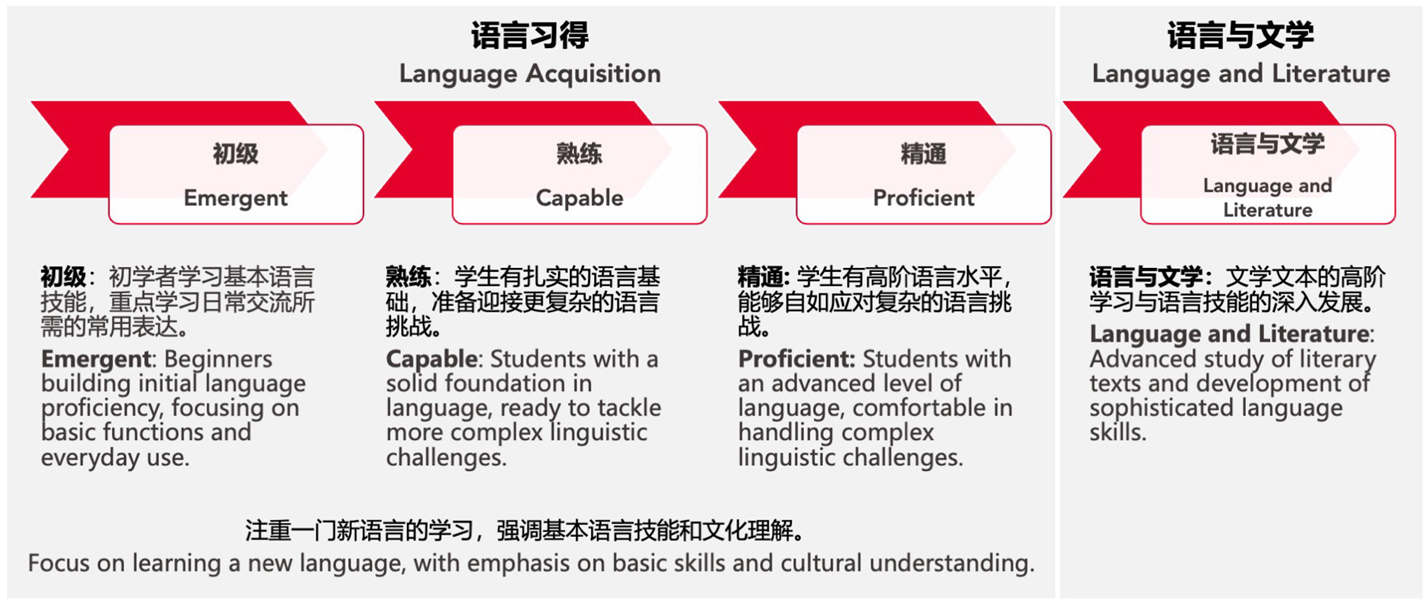
To meet the diverse needs of students with varying language proficiencies, the Dehong Middle School English Enrichment Program, framed by internationally recognized standards like the IB-MYP, implements a differentiated instruction model with four distinct language enrichment levels. The English Language Acquisition course focuses on fundamental skills like grammar, vocabulary, reading comprehension, and communication for second-language learners. In contrast, the English Language and Literature course targets native or near-native speakers, concentrating on advanced literary analysis, critical thinking, and academic writing. Placement is dynamic, ensuring tailored support and appropriate challenges for every student, from confident fluent speakers to those building foundational skills.
Beyond regular classroom teaching, Dehong Middle School integrates a wealth of digital learning platform resources. Some act as a personalized digital library for each student; some systematically train grammar, vocabulary, and writing skills through gamified questions and challenges; and some provide differentiated literary and non-literary texts to enhance reading comprehension and critical thinking skills. Every student can find personalized extracurricular learning resources aligned with their level and specific needs within the English Enrichment Program.
Global Perspectives: Forging Future-Ready Global Competence Through Interdisciplinary Practice
After transferring to Dehong from a public school this semester, one significant difference I've noticed in the middle school curriculum is the addition of Global Perspectives. This course involves the exploration and resolution of various real-world social issues on a global scale, which has greatly broadened my horizons and exposed me to a wealth of knowledge and topics I had never encountered before.
——G8C4 Dream
Global Perspectives is a distinctive and comprehensive subject within the Dehong Middle School curriculum. It integrates knowledge from Geography, History, Economics, Business Studies, and Environmental Systems & Societie, serving as a prime example of interdisciplinary and project-based learning at this level. Each semester, students delve into different cross-disciplinary themes, seeking practical solutions for real-world issues such as population change, the Industrial Revolution, the role of multinational corporations in globalization, and the opportunities and challenges within global food production. The discipline aims to cultivate students' critical thinking, problem-solving, communication, and collaboration skills, while fostering a deeper understanding of our diverse world.
Taking the Grade 8 unit on "Ocean Issues" as an example, students hosted a "Life Below Water" project-based learning exhibition. Centered around the UN Sustainable Development Goal 14 (Life Below Water), they integrated knowledge from Global Perspectives, Science, Chinese, English and Visual Arts. Their learning journey spanned from researching marine ecosystems to creating persuasive advocacy pieces and visual narratives, thoroughly exploring the core challenges facing marine ecosystems. This process effectively translated knowledge acquisition into tangible action, deepening students' understanding of environmental issues while enhancing their problem-solving abilities and global competence.
Design Thinking: Solving Real-World Problems with Innovative Tools in the AI Era
Design Thinking is a distinctive course in the Dehong Middle School curriculum, developed in alignment with the new ITC Content. It deeply integrates AI knowledge with the Design Thinking methodology, incorporating Dehong's inquiry-based and project-based teaching model. Leveraging advanced facilities in the SE21, such as 3D printers and laser cutters, students apply knowledge in programming and algorithms, process and control, internet and Internet of Things to solve real-world problems using the Design Thinking process. Example projects include designing intelligent planting systems that automatically regulate soil moisture and light temperature, and developing Scratch-programmed electronic companion pets for the elderly.
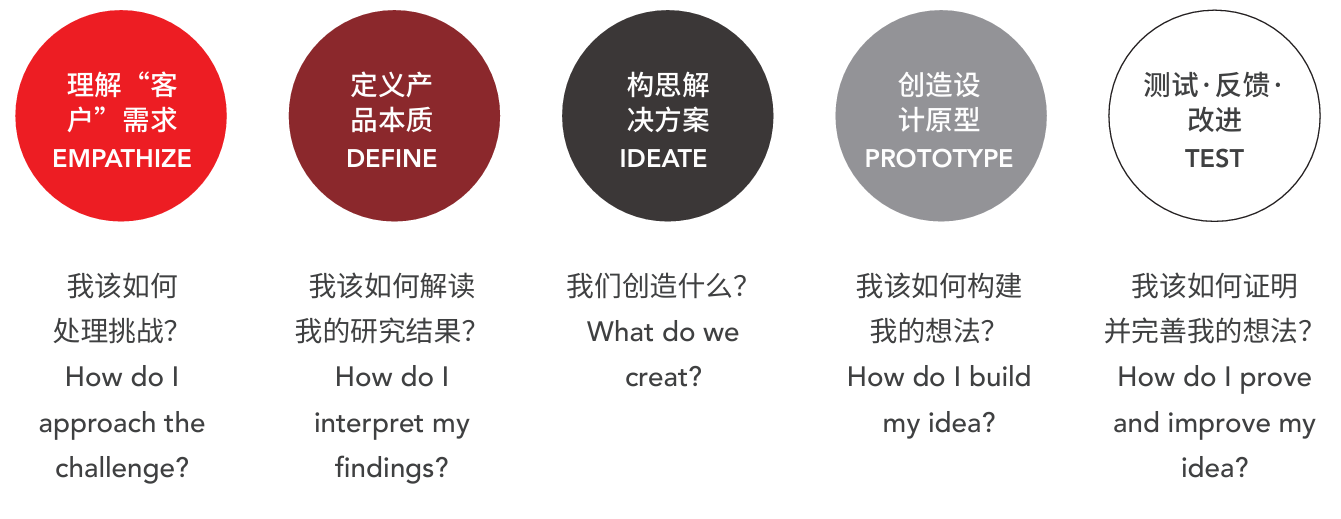
The Design Thinking course not only allows students to hone their logical thinking and problem-solving skills through practice but also aims tocultivate lifelong learners capable of adapting to the rapid changes in the AI era. Furthermore, it lays a solid knowledge foundation for students interested in future development in fields such as Computer Science and Digital Media.
Beyond conventional written assessments, the Design Thinking course places particular emphasis on evaluating student learning outcomes through interdisciplinary project showcases. For instance, in the G6 "Energy-Saving Hut"project, Design Thinking and Science subjects were deeply integrated. Students first explored the characteristics and applications of energy sources like solar, wind, and hydro power in their Science classes through research and field investigations. Subsequently, in the Design Thinking course, they applied their knowledge of process control to draft blueprints for their energy-saving huts, rationally layout solar panels and wind turbines, and repeatedly tested and refined their designs to improve energy harvesting efficiency.
For the final showcase, each group not only presented a unique energy-saving hut model but also demonstrated their design thinking and energy-saving highlights, fully illustrating the entire process from energy collection to conversion. This comprehensively demonstrated their growth in interdisciplinary inquiry, innovative consciousness, and practical problem-solving abilities.
After transferring to Dehong, the open learning atmosphere and the more profound, specialized curriculum have broadened my growth opportunities. As I progress to higher grades, I am also becoming increasingly aware of the need to establish clearer plans and goals for my own life.
——G8C3 Jackson
At Dehong Middle School, the rich curriculum provides every student with a diverse exploratory space, whether through delving into literary classics, exploring new knowledge in mathematics and science, broadening global perspectives, or developing talents in arts and sports. In the process of being widely exposed to different fields of knowledge, students gradually clarify their interests and aspirations. Under the inquiry-based, interdisciplinary, and project-based teaching model, students not only enhance their ability to collaborate in teams but also develop the quality of independent thinking. They are able to truly internalize their learned knowledge and apply it flexibly in real-life situations, cultivating essential soft skills crucial for future international curricula and personal long-term development. We look forward to every Dehong middle school student finding their own unique growth path in this inclusive and inspiring environment, laying a solid foundation for their personalized development during these middle school years.