
Safeguarding at Dehong
What is Safeguarding?
At Dehong Education we place protection at the heart of everything we do. We call our approach to protecting students, safeguarding.
As International Chinese schools, with a mix of Chinese and international teachers, we wanted to ensure that we place Chinese culture and law at the heart of our work to protect every Dehong student, whilst ensuring that we draw upon best practice from around the world.
We do this by bringing together Chinese and International colleagues to work on the development and annual review of this framework, continually checking with Chinese parents, staff and students as to the effectiveness of what we were developing – a framework to ensure that every member of our Dehong community understands their role in keeping our students safe from any physical or emotional harm.
We have a complete framework based upon the United Nations Convention of the Rights of the Child (ratified by China in 1994) and the 2012 Law of the PRC on the Protection of Minors. At the core of our Safeguarding framework are 8 basic principles which every member of the Dehong community must adhere to.
Dehong Safeguarding Guiding Principles
These principles form the basis of the Safeguarding Framework and all associated polices. One of the key documents is the Dehong Safeguarding Code of Conduct which is signed by all adults working or volunteering with students in our schools.
- We listen to our students and put them first
- We ensure that safeguarding is central to all we do
- We recruit safely
- We ensure that safeguarding is a standing item on all meeting agendas
- We train every adult working or volunteering in our schools/HQs
- We support the needs of individual students and recognise that some students are more vulnerable than others
How do we embed our Dehong Safeguarding approach across our community?
The Competencies
We have a set of 7 Safeguarding Core Competencies that all staff and volunteers working in the school have to attain.
- Placing the student at the centre of all that we do
- Understanding possible signs and indicators of abuse and neglect
- Knowing how to respond to and communicate with students
- Always responding to safeguarding needs
- Understanding what might make some students more vulnerable
- Understanding your Safeguarding policy, related policies and Code of Conduct
- Knowing how to share key information safely and with whom to share
All the safeguarding training is planned around the competencies for Principals and Board Members to Guards and Ayis! Everyone has the opportunity to engage in very active learning that encourages dialogue and reflection. We always try to create an atmosphere where people feel safe to ask questions, can talk in their home language and where real-life scenarios can be discussed.
The ConnectED Safeguarding programme gives people the opportunity to access with ease different parts of the Framework, revisit materials, engage in ongoing knowledge check activities and read the latest news and research about protecting children.
How do we involve our students in Safeguarding?
Dehong believes in respecting children and listening to their views. The philosophy of Students Come First guides the behaviour of all professionals in our schools. Some aspects of Safeguarding are sensitive, for example our students are encouraged to say no if they feel unsafe or and taught how to ensure that certain parts of their bodies are respected by adults and peers.
We have developed a programme for all students entitled Keeping Me Safe . The ‘Banzhuren’ and other staff have been specifically trained to lead Circle Solution Sessions based around the following themes:
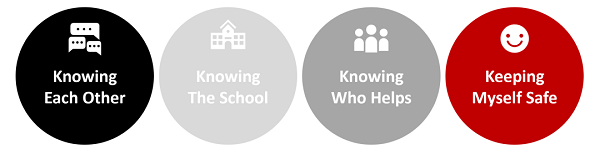
Circle Solutions are quite a different way of learning for both the Banzhuren and the students and their international colleagues are working closely with them to support this new concept.
The principles for Circle Solution are that students make choices, take decisions, act upon them and build a positive emotional climate for learning. Students can stay silent if they do not feel confident or ready to speak. Students feel safer when they discuss issues and not incidents.
Activities are in pairs, groups or the whole Circle. The teachers leading the Circle Solutions time will focus on strengths and solutions. Circles promote positive feelings, including laughter. The teachers will make it clear that is expected that everyone will work with everyone else. No one is left out and everybody is encouraged (without pressure) to join in. Every person is important to the group and encouraged to listen to each other and the teacher’s role is to make sure everyone’s voice is heard equally. Teachers are expected to be completely involved in all activities and facilitate rather than lead or be centre stage. A very new way of learning for some!
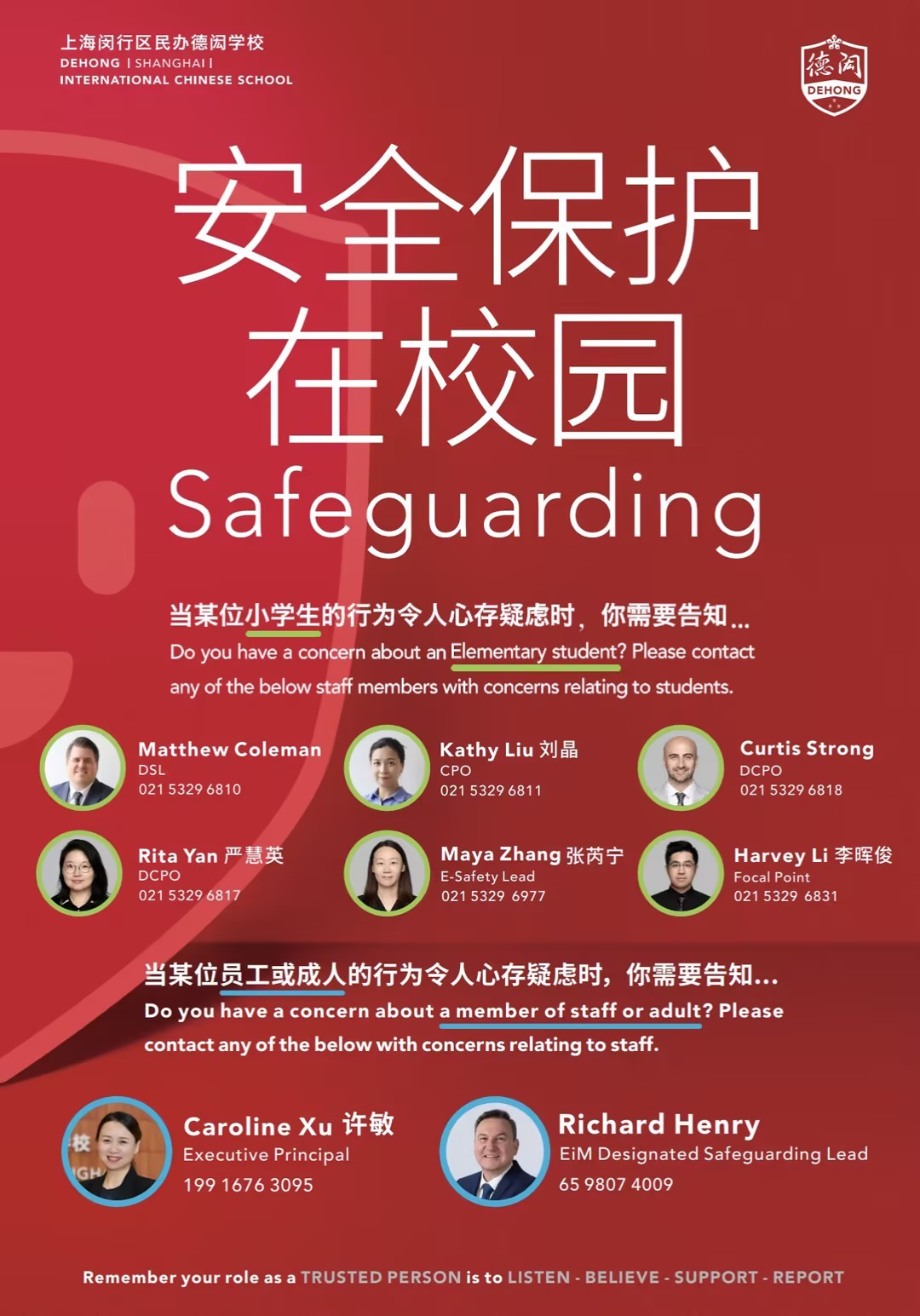
Key Personnel Contacts - Elementary
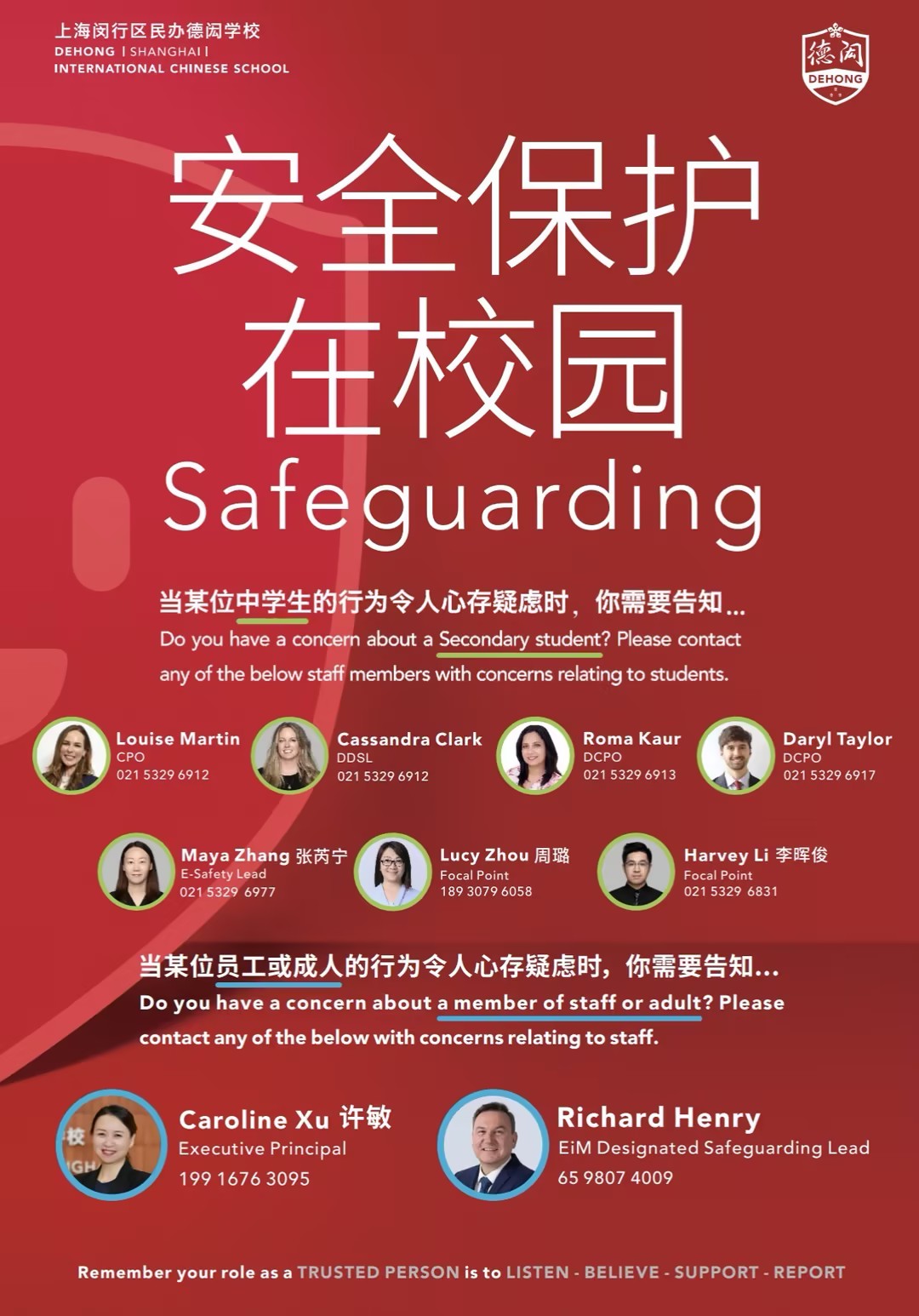
Key Personnel Contacts - Secondary
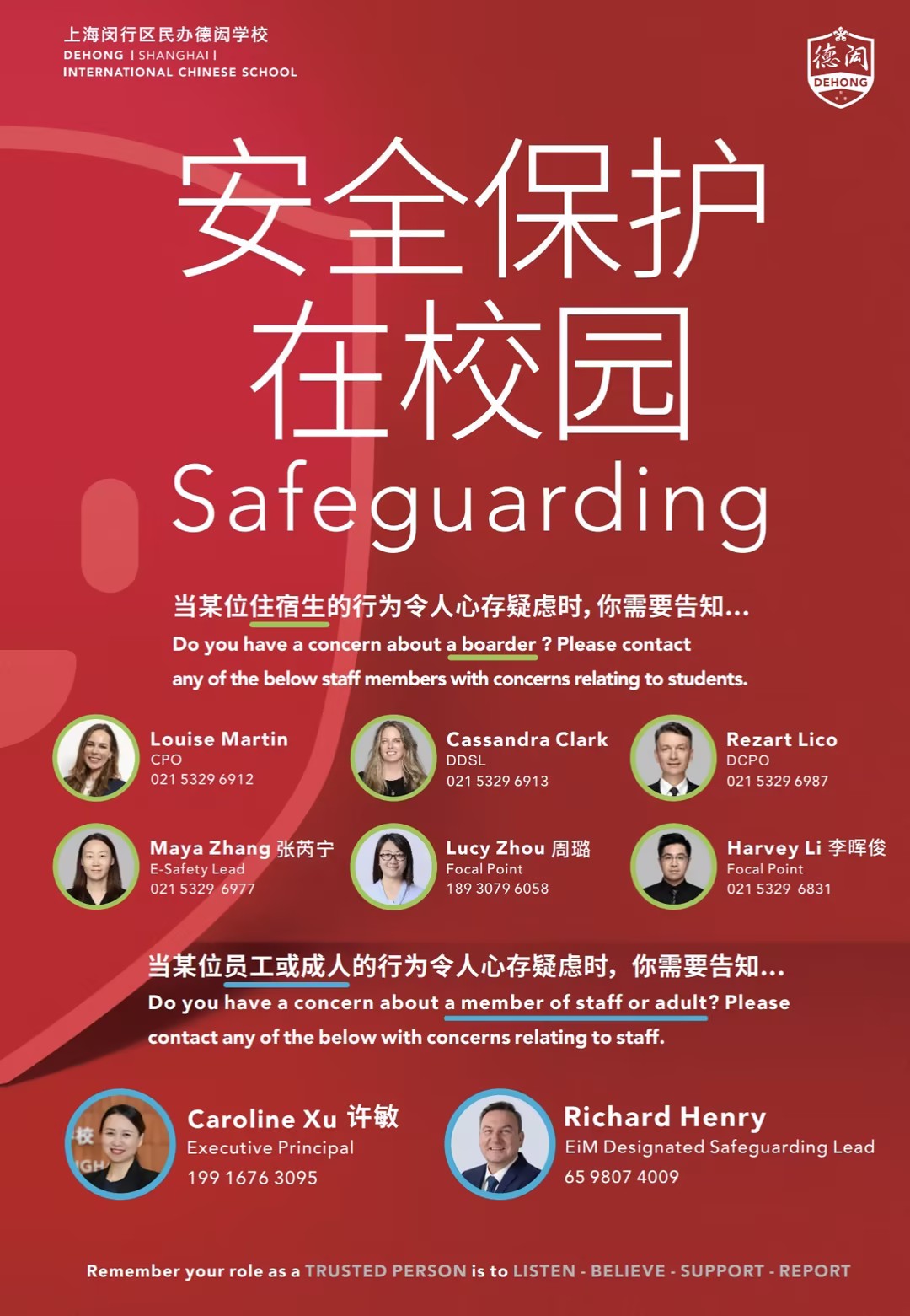
Key Personnel Contacts - Boarding